The Questions Were Planted Generations Ago
There are moments in life that quietly divide your story into before and after, although you rarely recognize them while you're living through them. Looking back now, I can see mine with surprising clarity. It began with a car accident that altered far more than the condition of my neck and back. Years later came an endometriosis diagnosis that finally explained some of what my body had been trying to tell me, but certainly not all of it. As the years passed, medications became part of my life, and with them came an ever-growing collection of side effects, allergic reactions, emergency room visits, and eventually erythema nodosum—painful knots beneath my skin that seemed to arrive without warning and disappear just as mysteriously. Every specialist seemed to answer one question while uncovering two more, and after a while I found myself growing weary of feeling like I was forever chasing the next explanation.
I want to be careful here because this isn't a story about rejecting medicine. There are physicians whose wisdom has helped me tremendously, treatments for which I remain deeply grateful, and advances in healthcare that have undoubtedly improved my life. This isn't an either-or story. It is simply the story of a woman who reached a point where she realized there had to be another piece of the puzzle. I wasn't looking for a miracle. I wasn't searching for shortcuts. I simply wanted to understand the remarkable body God had given me well enough to support it instead of constantly feeling as though I was fighting against it.
That quiet question—Is there another way?—became the beginning of a journey I never expected to take. I started reading everything I could find about herbs, nutrition, food, skin, inflammation, and the intricate ways our bodies communicate with us. One book led to another, then another, until my evenings were often spent with a stack of research papers spread across the table instead of a novel in my lap. The deeper I wandered into that world, the more fascinated I became. Every answer opened another door. Every discovery made me realize how much I still had to learn. At the time, I thought I was exploring completely unfamiliar territory. I believed I had stumbled onto a brand-new path that no one in my family had ever traveled before.
I couldn't have been more mistaken.
The funny thing about memory is that it rarely arrives all at once. It comes quietly, almost shyly at first. A familiar scent catches you off guard. A photograph slips from the pages of an old book. A conversation with your mother begins with one simple question and somehow turns into two hours of stories you swear you've never heard before. One memory reaches for another until, before long, you've wandered so deeply into your childhood that it begins to look different than it ever has before.
That's exactly what happened to me.
The more I immersed myself in natural wellness, the more often my grandparents found their way into my thoughts. Not because they talked about antioxidants or microbiomes or the latest scientific breakthroughs. They didn't. Not because they called themselves herbalists or holistic practitioners. They certainly wouldn't have used those words. They simply lived in a way that, looking back now, feels remarkably grounded. They grew food. They preserved it. They worked hard. They asked questions. They shared what they knew. They cared for one another with whatever knowledge and resources they had, and they never seemed to believe that learning had an expiration date.
As I began tracing those memories, I realized something that had somehow escaped me for decades. My fascination with wellness hadn't appeared out of nowhere. It hadn't begun with my first herbal textbook or my first certification. It had been quietly growing long before I was born, planted one generation at a time by people who would never have imagined that their ordinary lives would someday shape my extraordinary calling.
If you spend enough time wandering through my family tree, you'll eventually find yourself standing between two very different families.
On one side were the Vishnefskes.
On the other were the Dumlers.
They had different personalities, different traditions, and different ways of teaching, yet they shared something I wouldn't recognize until much later. Both families believed that caring for people mattered. Both believed that work was honorable. Both believed that there was always something new worth learning. The older I get, the more I realize that while they handed down recipes, photographs, and well-worn family stories, they also passed along something far less visible.
They passed along a way of seeing the world.
And without realizing it, they handed it to me.
The Vishnefskes knew how to live.
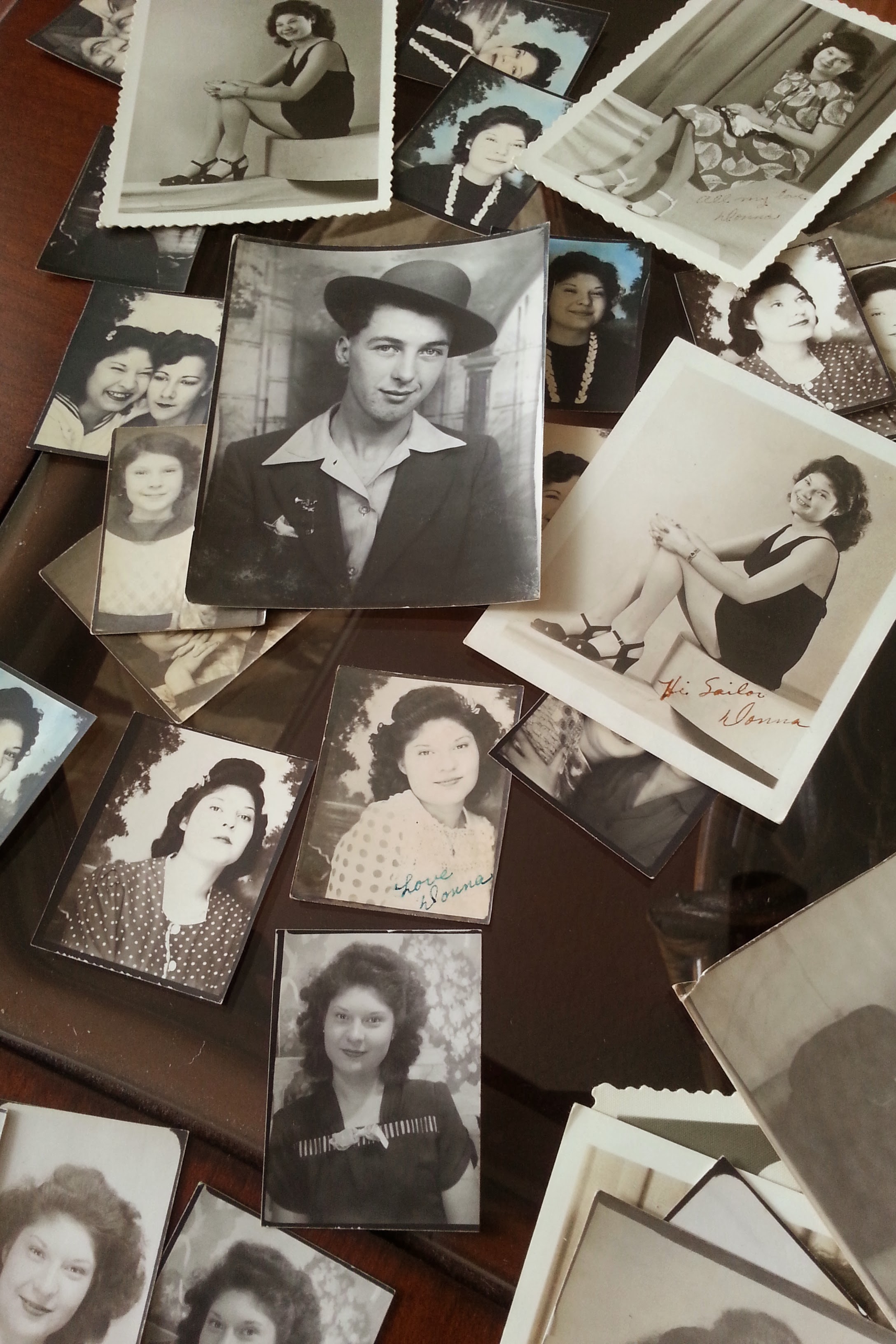
That may sound like an odd way to describe a family, but it's the simplest truth I know. They worked hard—very hard—but they also understood that life wasn't simply something to endure. It was something to enjoy. They believed in gathering around the table, taking the trip, planting the flowers, laughing until your stomach hurt, and making memories while you still could. Looking back now, I realize they carried a quiet optimism that shaped the entire family. They expected life to have its hardships, but they never allowed those hardships to become the whole story.
As a child, I simply thought that was normal.
My maternal grandparents loved to travel, and they didn't wait until they were old to start living. They retired when they were only fifty-five years old, packed up their life in Kansas, and moved to Florida. Most people spend decades dreaming about retirement, carefully counting the years until they can finally slow down. My grandparents looked at retirement as the beginning of another adventure. Before long they had purchased a beautiful Class A motorhome, and the highways became an invitation rather than an obstacle. They thought nothing of driving from Florida all the way to Calgary just to experience the Calgary Stampede. They loved seeing the country, discovering new places, meeting people along the way, and collecting stories that would be told around family tables for years afterward. They understood something I've come to appreciate more with age: experiences are often the richest investment we ever make.
My grandmother, however, never left behind the lessons that had shaped her childhood. She had grown up during the Depression, and the values forged during those difficult years stayed with her for the rest of her life. Nothing useful was ever thrown away if it could possibly serve another purpose. Butter tubs were carefully washed and became leftover containers. Cool Whip bowls were stacked neatly inside one another until an entire cupboard seemed dedicated to giving plastic a second life. Aluminum foil wasn't something you used once and tossed into the trash. It was rinsed, smoothed flat, folded into perfect little squares, and tucked carefully into a drawer to be used again. She even washed and saved Styrofoam cups from McDonald's because, as far as she was concerned, there was absolutely no reason to throw away a perfectly good cup.
As a little girl, I never questioned any of it. I assumed everyone's grandmother had cupboards full of mismatched containers whose original purpose had long since been forgotten. It wasn't until years later that I realized I wasn't simply watching quirky habits. I was watching the lasting fingerprints of the Depression. My grandmother had learned that you respected what you had because there was no guarantee you could replace it. Waste wasn't just discouraged. It was almost unimaginable.
The beautiful thing is that those habits never made my grandparents fearful or miserly. Quite the opposite. They were careful with the little things so they could fully enjoy the big ones. Saving wasn't about deprivation. It was about freedom. It gave them the ability to retire early, travel widely, welcome family, and create memories that would far outlast anything money could buy. Looking back, I think that's one of the greatest financial lessons I ever inherited, even though no one ever sat me down to teach it.
My grandmother also had a quiet appreciation for health long before wellness became an industry. Every morning began with hot lemon water, decades before anyone was posting morning routines on Instagram or carrying oversized water bottles with motivational time markers down the side. She faithfully took chlorella long before most people had ever heard of it. She filled her yard with flowers because beauty mattered just as much as usefulness, and her vegetable garden naturally became shelves of home-canned food that sustained the family throughout the year. She never would have described any of it as holistic living. To her, it was simply common sense.
My maternal grandfather carried that same spirit of curiosity in his own way. Throughout his life he faced health challenges that would have caused many people to become discouraged. He struggled with serious heart disease, unusual tumors, and a body that often seemed to create more questions than answers. Yet I never remember him surrendering to hopelessness. Instead, he kept searching. He wanted to understand. He wanted to feel better. Every morning he faithfully drank a capsaicin tincture because he had read it could support heart health, and he was always willing to explore another way of caring for the body he had been given. He wasn't chasing miracles. He was simply doing what he could with the knowledge he had, hoping each small choice might make a difference.
Then, sometime in the early 2000s, our family discovered something none of us had ever known. As a young Merchant Marine during World War II, my grandfather had been among the first Americans sent into Hiroshima after the atomic bomb. Suddenly, a lifetime of mysterious health struggles seemed to belong to a much larger story. We never claimed to know whether there was any connection between those experiences and the illnesses he faced later in life. There are questions we'll never be able to answer. But discovering that part of his history changed the way I looked at him. His lifelong search for better health no longer felt like someone chasing the latest idea. It felt like quiet perseverance. It felt like hope. It felt like a man who loved life enough to keep looking for answers, even when none came easily.
As a child, I thought every family lived this way. I assumed everyone's grandparents valued good health, loved to travel, stretched a dollar until it practically begged for mercy, and somehow managed to fill ordinary days with extraordinary joy. It wasn't until I grew older that I realized the Vishnefskes had given me something far greater than family memories.
They had shown me that living well isn't about having the most.
It's about appreciating what you have, caring for it wisely, and then having the courage to go out and enjoy the life you've worked so hard to build.
If the Vishnefskes taught me to embrace life, the Dumlers taught me that a life is built one lesson at a time.
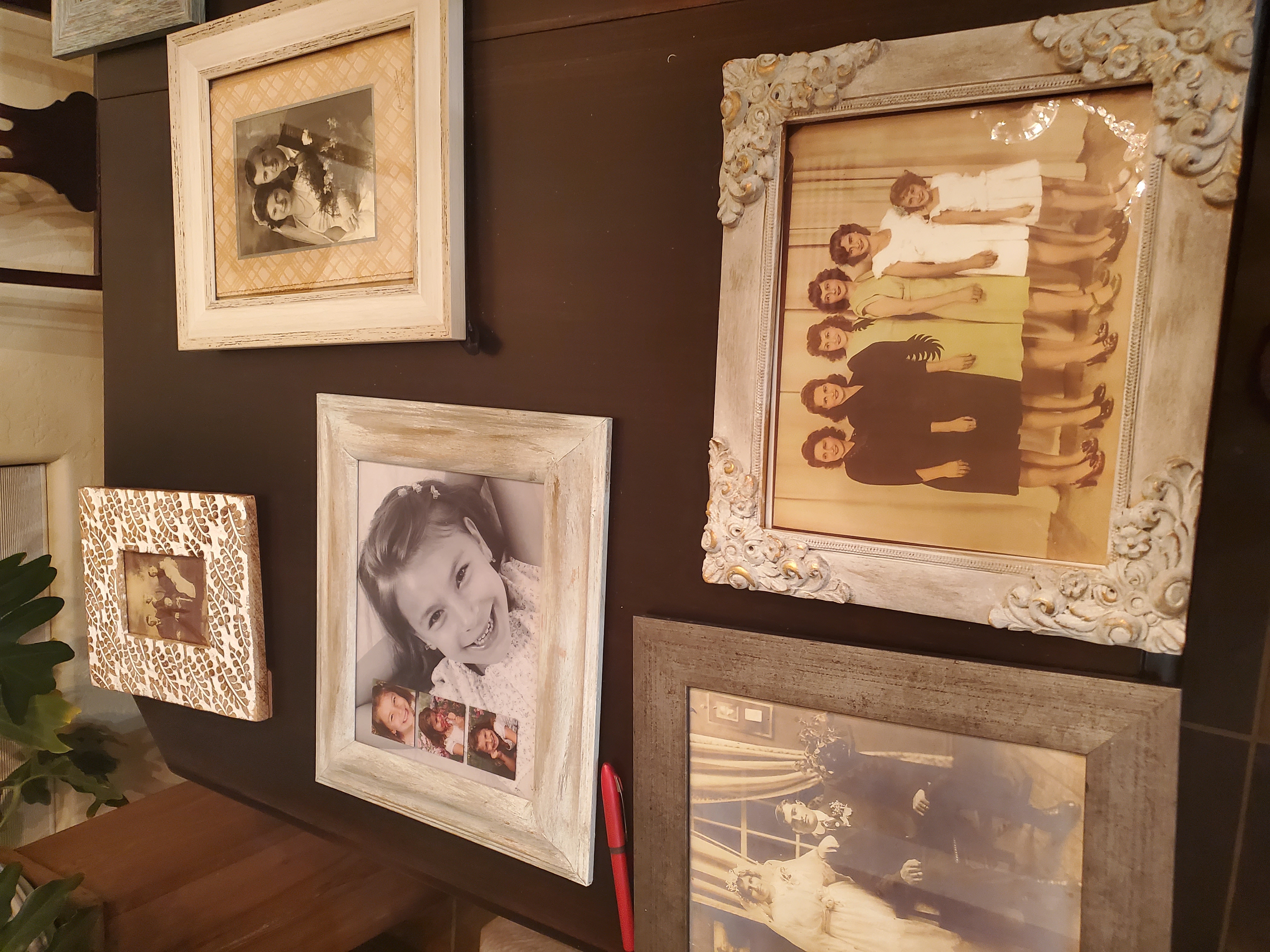
If you've read my story about my paternal grandmother, then you've already met one of the greatest teachers I've ever known. You know about the farmhouse, the gardens, the pies, the Thursday night Bible studies, and the way she quietly opened both her home and her heart to anyone who needed either one. You know that she believed hospitality wasn't something you scheduled. It was simply the way you lived. But what I've come to realize since writing that story is that my grandmother wasn't an exception in the Dumler family.
She was an expression of it.
Knowledge seemed to move through that family as naturally as conversation. No one clung tightly to what they knew. If a skill could make someone else's life easier, then it was meant to be shared. Looking back now, I think that's one of the greatest gifts they ever passed down—not a particular recipe or gardening trick, but the belief that knowledge becomes more valuable the moment you give it away.
My mother is probably the best example of that.
She grew up watching her own mother preserve the harvest, but she wasn't invited into the process in quite the same way. While my maternal grandmother worked, the children usually had chores of their own. Everything changed when my mother married into the Dumler family. My grandmother didn't simply show her how to run a farm household. She handed her an apron, gave her a job, and trusted that experience would become the teacher.
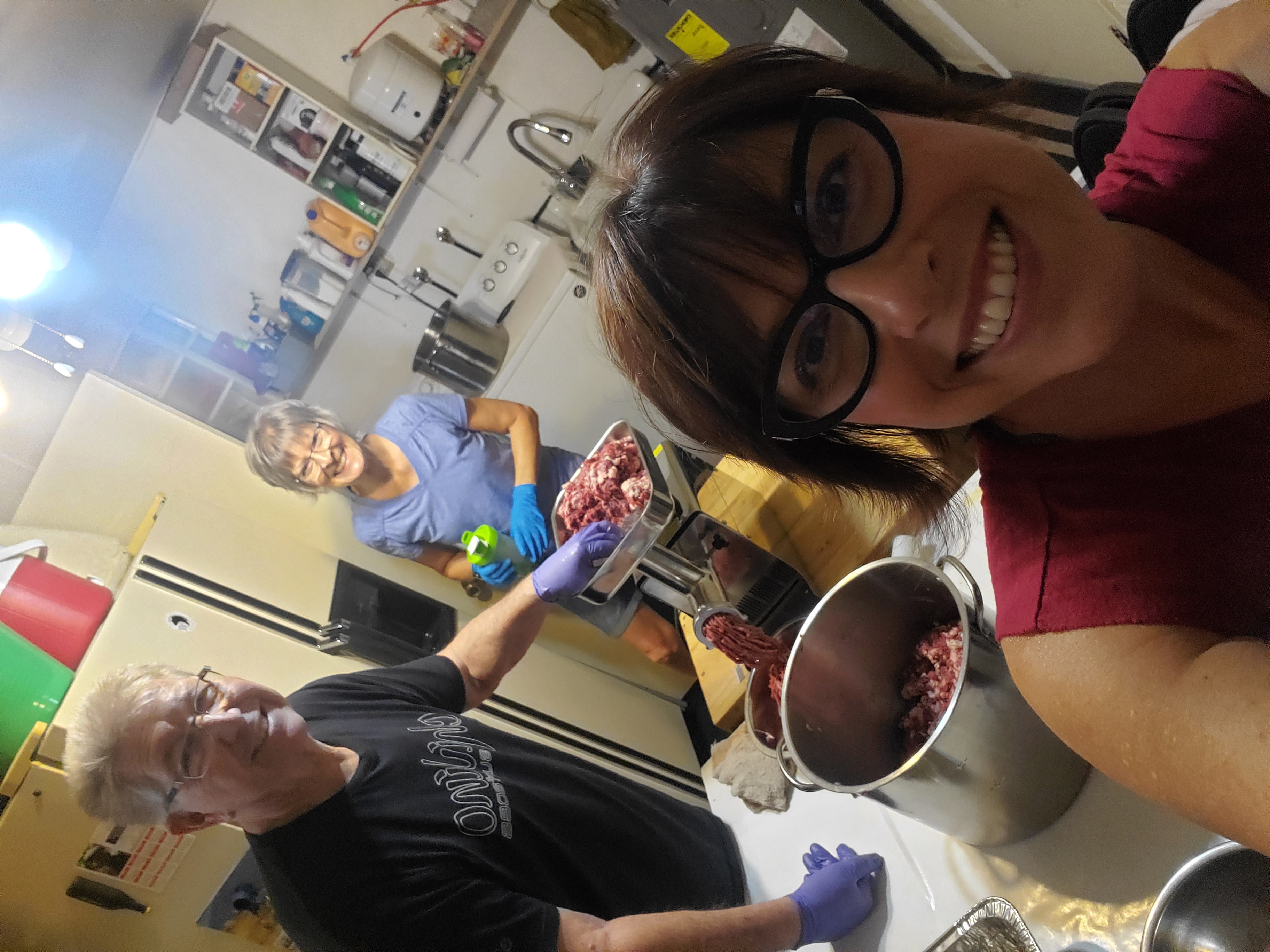
There was no formal lesson.
No lecture.
No moment where she announced, "Today I'm going to teach you how to can peaches."
Life itself became the classroom.
Before long, my mother knew how to can vegetables, preserve fruit, butcher chickens, bake bread, and manage all of the countless little tasks that keep a farm—and a family—running. Looking back now, I realize my grandmother wasn't simply teaching skills. She was quietly saying, You belong here. You're capable. Let me show you.
I think confidence grows that way.
Not through praise.
Through participation.
That same spirit seemed to flow through the entire Dumler family, each person expressing it a little differently. My great-aunt, Elizabeth Boxberger, was practicing reflexology in the 1950s and '60s, long before most people had ever heard the word. She wasn't trying to be ahead of a trend. There wasn't a trend. She simply believed there were ways to help people that were worth learning.
My grandfather had his own classroom.
It wasn't the kitchen.
It was curiosity.
As a young man, he survived a ruptured appendix that nearly claimed his life. Gangrene set in before doctors could operate, and they were forced to remove much of his stomach. An experience like that changes the way a person thinks about health. Rather than resigning himself to feeling poorly, Grandpa spent the rest of his life searching for ways to improve it. One of the things I admired most about my grandfather was that he never stopped looking for ways to support his health. If he read about something that seemed promising, he was willing to learn more. Wellness magazines arrived faithfully in the mailbox, and before long there would be another article folded over, another supplement to research, or another idea worth trying. When he was diagnosed with prostate cancer, that curiosity didn't disappear. He began drinking Essiac tea after reading about it. Whether it was the tea, or his determination, or some combination of many things, I can't say. What I do know is that the cancer went away, and he never lost his belief that learning was worthwhile.
Looking back now, I don't think he was searching because he believed there was a miracle waiting around the corner.
I think he simply believed hope always leaves room for another question.
When I look across the Dumler family now, that's the thread I see connecting them all. One person shared knowledge through hospitality. Another through healing. Another through books. Another through simply inviting someone to stand beside them and help.
No one would have described themselves as educators.
Yet somehow, every one of them was teaching.
And without realizing it...
They were teaching me.
For most of my life, I never connected any of those dots.
The Vishnefskes were simply my maternal grandparents. The Dumlers were simply my paternal grandparents. They were two different branches of my family tree, each with their own traditions, personalities, and stories, and I loved them all without ever stopping to consider how profoundly they were shaping me. Children rarely think that way. We simply assume everyone grows up like we do. I thought every grandmother had a garden. I thought every grandfather was forever reading something that might help him feel better. I thought everybody's family believed that if you didn't know how to do something, you simply found someone who did and asked them to teach you. I didn't realize I was growing up surrounded by generations of people who believed learning was simply part of living.
One of the funny things about life is that we often recognize the significance of something only after we've lived it.
Long before beauty school ever entered the picture, my mom and I both became certified reflexologists. At the time, I wasn't thinking about family history or legacies. I wasn't trying to carry on a tradition. Reflexology simply fascinated me. I was intrigued by the intricate ways the body seemed to be connected, by the possibility that something as simple as the feet could tell a much larger story about a person's health. It wasn't until years later that I stopped and realized I had unknowingly stepped onto a path my Great-Aunt Elizabeth had been walking decades before. She had been practicing reflexology in the 1950s and '60s, long before most people had ever heard the word. I wasn't blazing a new trail at all. I was following footprints I didn't even know existed.
Beauty came later.
When I eventually enrolled in cosmetology school, I thought I had finally figured out what I wanted to do with my life. I loved the artistry of it, the creativity, and the confidence that seemed to blossom in people when they looked in the mirror and saw themselves a little differently. I thought beauty would be the destination.
Instead, it became the doorway.
The longer I worked with clients, the more I found myself asking questions that couldn't be answered by another bottle sitting on the salon shelf. Why was someone's skin suddenly changing? Why was their hair thinning? Why did inflammation seem to show up in so many different ways? Why did some people heal quickly while others struggled for years? Every answer seemed to uncover another question, and before long I found myself reading books on nutrition, then herbalism, then holistic skin health, then anything else I could get my hands on that might help me better understand the incredible way our bodies were designed.
At the time, I thought I was changing directions. Reflexology had been one thing. Beauty was another. Herbalism and nutrition seemed like something else entirely. On paper, my interests probably looked like a woman who couldn’t make up her mind.
Looking backward, they look nothing like that.
One curiosity simply introduced me to the next. Reflexology taught me to be curious about the body. Beauty taught me to look more closely at what the body reveals on the outside. Herbalism and nutrition made me ask what might be happening underneath the surface. Holistic skin brought those worlds together in a way I hadn’t expected. What looked like a collection of unrelated interests was slowly becoming one conversation.
And suddenly I could see my family in it.
I could see my maternal grandmother beginning her mornings with hot lemon water and faithfully taking chlorella before either one had a place in anybody’s carefully curated morning-routine Reel. I could see my grandfathers reading, researching, trying, questioning, refusing to believe that getting older meant they should stop being curious about their own health. I could see Great-Aunt Elizabeth practicing reflexology decades before my mother and I ever became certified. I could see my paternal grandmother standing beside my mother in that farmhouse kitchen, teaching her not with a lecture but by handing her something to do and trusting that she would learn.
And I could see myself.
Not reinventing myself. Not abandoning one career for another. Not collecting a random assortment of certifications because I couldn’t decide what I wanted to be when I grew up.
I was becoming more completely myself.
Life, however, has a funny way of introducing us to ourselves.
That realization changed the way I think about inheritance. We usually talk about the things families deliberately pass down: recipes, photographs, jewelry, land, traditions, maybe the good china nobody is actually allowed to use. But I’m not sure those are always the things that shape us most. Sometimes what we inherit is much harder to see.
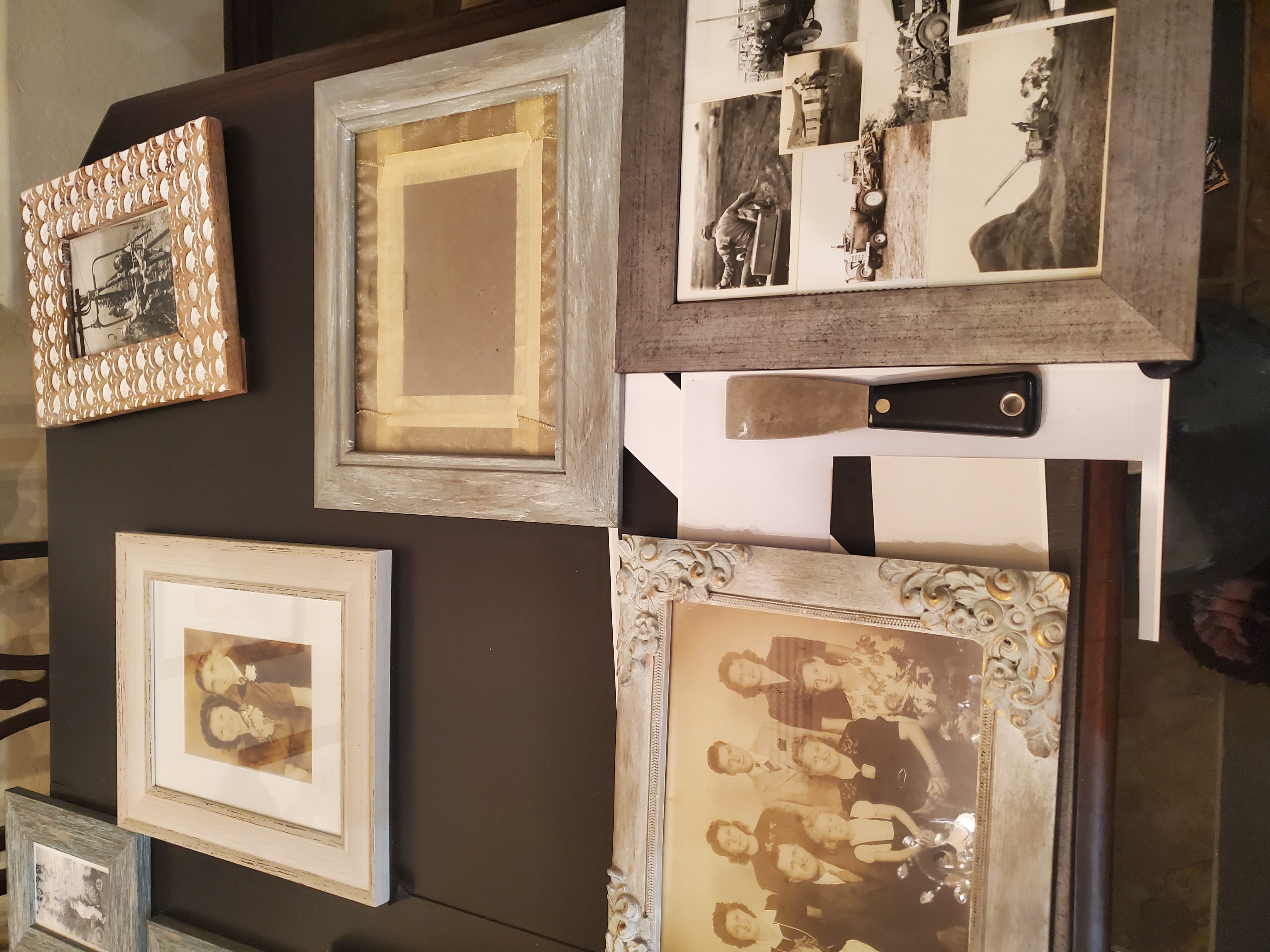
That realization changed the way I think about inheritance. We usually talk about the things families deliberately pass down: recipes, photographs, jewelry, land, traditions, maybe the good china nobody is actually allowed to use. But I’m not sure those are always the things that shape us most. Sometimes what we inherit is much harder to see.
Sometimes it’s the instinct to save a container because it still has another use left in it, and suddenly your grandmother is standing beside you even though she’s been gone for years. Sometimes it’s losing an entire afternoon chasing one research paper after another because every answer has somehow produced three more questions. Sometimes it’s wandering through an herb garden, opening another book about nutrition, or becoming completely fascinated by the relationship between what happens inside the body and what eventually appears on the outside.
Those are the moments when I recognize the family fingerprints.
For a long time, I thought I had found my own unusual path into beauty, wellness, education, herbalism, and holistic skin. Now I think I was simply continuing a family conversation in my own language. The Vishnefskes and the Dumlers weren’t intentionally preparing me for this life. They couldn’t have been. They were simply living theirs. Their lessons happened in gardens and farmhouses, around kitchen tables and on long road trips, beside canning kettles and stacks of well-read magazines. They taught through hospitality, curiosity, resourcefulness, faith, perseverance, and the simple willingness to share what they knew.
Nobody announced that these were lessons.
That may be why they lasted
My grandparents could never have imagined that a little girl watching them fold aluminum foil, plant gardens, read another magazine, welcome another guest, or ask another question would someday build so much of her life around beauty, wellness, education, and lifelong learning. They weren’t trying to shape my future. They were simply being themselves, day after ordinary day, while I was quietly watching.
And now that I can finally see what they gave me, I find myself thinking differently about what I might leave behind too. Not only what I will accomplish or teach intentionally, but what someone might absorb simply by watching the way I live. What questions will they hear me asking? What will they see me getting curious about? What will I share because I believe knowledge becomes more valuable when we give it away? What tiny, completely ordinary thing will stick in someone’s memory for forty years and only then reveal itself as a lesson?
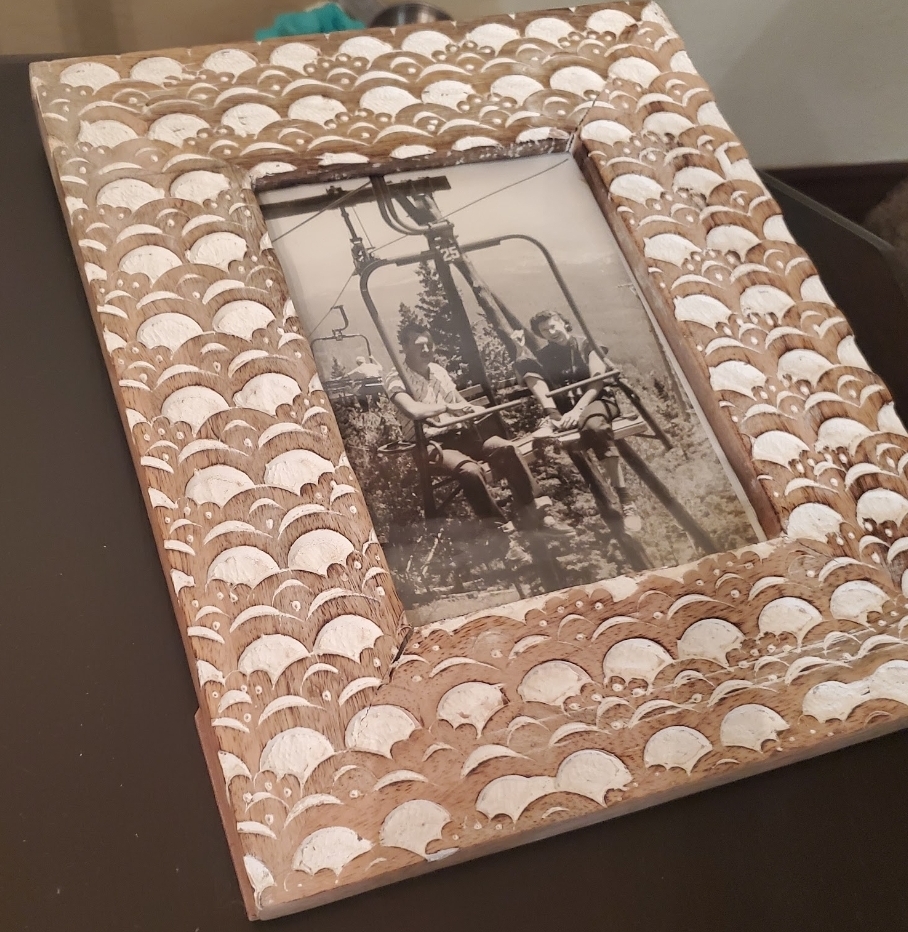
I suppose I’ll never know.
My grandparents didn’t.
Maybe that’s the beautiful part.
Because if my family taught me anything, it’s that the most enduring inheritances are rarely the ones we plan.
They’re the ones we live.